
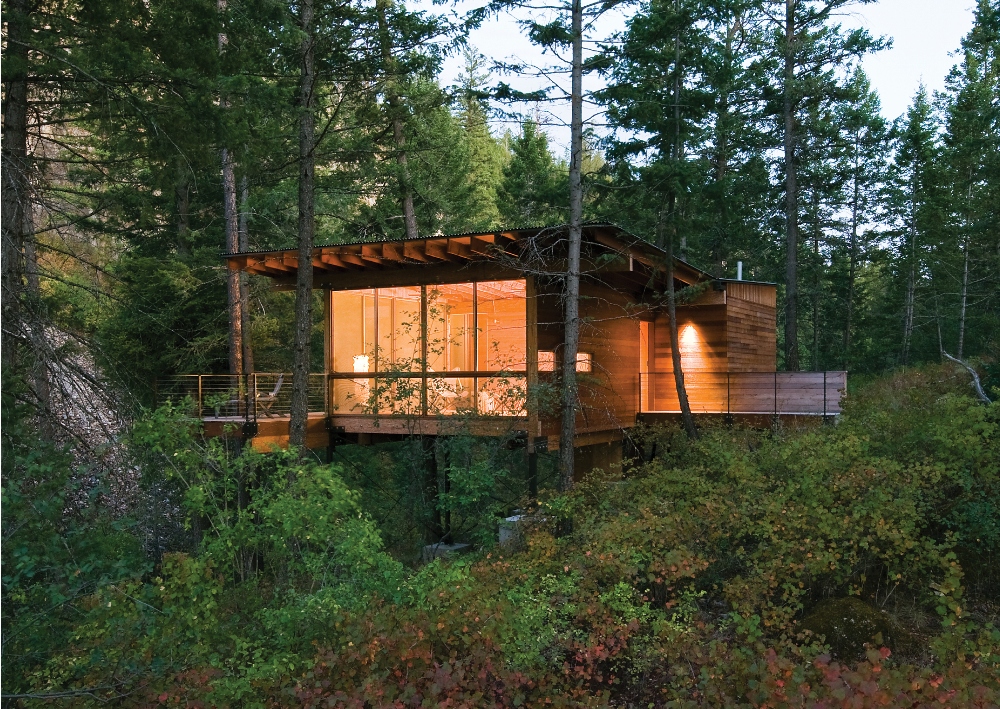
Tips for Living in the Forest: Embrace Nature and Thrive
Living in the forest can be a deeply rewarding experience, offering a close connection to nature, tranquility, and a slower pace of life. However, it also comes with unique challenges and requires a set of skills and preparations to ensure safety and comfort. Here are some essential tips for living in the forest:
1. Prepare for the Basics
- Shelter: Whether you’re living in a cabin, a tent, or a treehouse, ensure it is well-insulated and weatherproof. Use natural materials for construction to blend with the environment.
- Water Supply: Identify reliable water sources. You may need to purify water from streams or collect rainwater. Invest in a good water filtration system.
- Food Storage: Store food securely to prevent attracting wildlife. Use airtight containers and keep food storage areas clean.
2. Learn Essential Skills
- Fire Making: Master the art of building and maintaining a fire for warmth, cooking, and protection. Practice fire safety to prevent forest fires.
- First Aid: Keep a well-stocked first aid kit and know how to use it. Learn basic first aid skills to handle minor injuries and emergencies.
- Navigation: Be proficient with a map and compass. GPS devices are useful but should not be solely relied upon as batteries can fail.
3. Sustainable Living Practices
- Waste Management: Practice Leave No Trace principles. Compost organic waste and pack out all non-biodegradable trash.
- Energy Sources: Consider renewable energy options like solar panels for electricity. Use energy-efficient appliances to minimize power consumption.
- Gardening: Grow your own vegetables and herbs. Use organic farming techniques to maintain soil health and prevent pest infestations.
4. Wildlife Awareness
- Understand Local Wildlife: Research the types of animals in your area and their behaviors. Know which animals are dangerous and how to avoid encounters.
- Protective Measures: Use bear-proof containers and fences to protect your food and property. Keep a safe distance from wild animals.
- Coexistence: Respect wildlife and their habitat. Avoid disrupting animal routines and nesting areas.
5. Weather Preparedness
- Clothing: Dress in layers to adapt to changing weather conditions. Invest in high-quality, weather-appropriate clothing and footwear.
- Weather Monitoring: Keep track of weather forecasts. Use a weather radio or app to stay informed about severe weather alerts.
- Emergency Plans: Have an evacuation plan in case of wildfires, floods, or other natural disasters. Know the safest routes and have a go-bag ready.
6. Community and Communication
- Stay Connected: Even in remote areas, it’s important to maintain communication with the outside world. Use satellite phones or radios if mobile signals are weak.
- Build Relationships: Connect with nearby residents and local communities. They can provide valuable support and information.
- Emergency Contacts: Keep a list of emergency contacts, including local authorities, medical facilities, and neighbors.
7. Mental and Emotional Well-being
- Stay Active: Engage in physical activities like hiking, gardening, or wood chopping to maintain your physical health.
- Mental Health: Spend time enjoying the tranquility of the forest, but also engage in hobbies and activities that stimulate your mind.
- Routine and Structure: Establish a daily routine to provide a sense of normalcy and purpose.
Living in the forest is a unique and fulfilling experience that requires careful planning, respect for nature, and a willingness to adapt. By preparing for the basics, learning essential skills, and embracing sustainable practices, you can thrive in a forest environment. Remember to stay connected, be aware of your surroundings, and prioritize your safety and well-being. Enjoy the beauty and serenity that forest living offers, and let nature be your guide.