
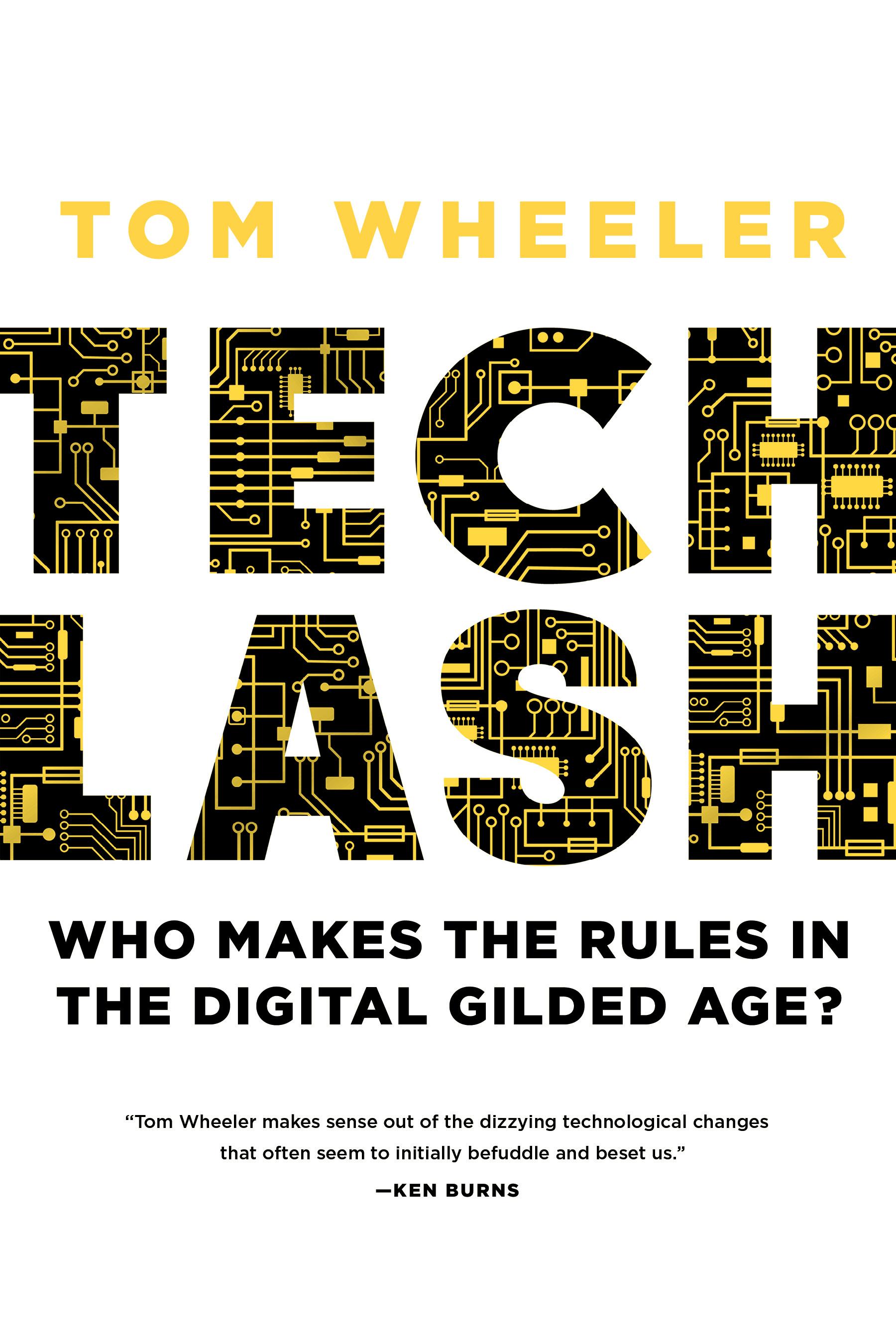
Techlash:The Future Is Fragile
Introduction
Remember that feeling of boundless optimism when tech promised to solve all our problems? Connecting the world, democratizing information, creating unprecedented opportunities – it all sounded so utopian. Fast forward to today, and the narrative has shifted. The “techlash” is here, and it’s more than just a fleeting trend; it’s a potent force reshaping our relationship with technology, society, and even ourselves. But is it all doom and gloom? Absolutely not. Understanding the fragility exposed by the techlash is the first step towards building a more resilient and responsible future.
The Cracks Are Showing: Short-Term Pains
The immediate impacts of the techlash are all around us. Think about the constant barrage of data privacy scandals. From Cambridge Analytica to countless smaller breaches, we’ve learned that our personal information isn’t as secure as we thought. This has led to heightened anxieties about online surveillance, targeted advertising, and the potential for misuse of our data.
Then there’s the spread of misinformation and disinformation. Social media platforms, once hailed as tools for connection, have become breeding grounds for fake news, conspiracy theories, and polarizing content. This erodes trust in institutions, fuels societal division, and can even have real-world consequences, as we saw with the January 6th Capitol riot.
Let’s not forget the growing concerns about the gig economy and the future of work. While apps like Uber and TaskRabbit offer flexibility, they often come at the cost of job security, benefits, and fair wages. The rise of automation and artificial intelligence further exacerbates these anxieties, raising questions about the future of employment and the need for workforce retraining.
These are just a few of the immediate symptoms of the techlash. They manifest in our daily lives, influencing our decisions, our anxieties, and our perceptions of the world.
Beyond the Headlines: Long-Term Ripples
The long-term implications of the techlash are even more profound. Consider the potential impact on democratic processes. The manipulation of public opinion through social media and targeted advertising can undermine the integrity of elections and erode faith in democratic institutions.
The concentration of power in the hands of a few tech giants also poses a significant threat to innovation and competition. These companies often acquire or stifle smaller competitors, creating monopolies that limit consumer choice and stifle creativity.
Furthermore, the increasing reliance on technology can have negative effects on our mental and physical health. Excessive screen time, social media addiction, and the constant pressure to be “always on” can lead to anxiety, depression, and a disconnect from the physical world.
Perhaps the most fundamental long-term impact is the erosion of trust. When we lose faith in the technology that shapes our lives, we lose faith in the systems and institutions that rely on that technology. This can lead to social unrest, political instability, and a general sense of unease about the future.
Building a Bridge: Practical Solutions for a Fragile Future
The good news is mahjong333 login that the techlash is a wake-up call, prompting us to rethink our relationship with technology and to demand more responsible innovation. Here are some practical solutions that can help us navigate this challenging landscape:
- Strengthening Data Privacy Regulations:The EU’s General Data Protection Regulation (GDPR) is a good starting point, but we need even stronger and more comprehensive data privacy laws globally. These laws should give individuals more control over their personal data, limit the collection and use of data by companies, and establish clear accountability for data breaches.Example: California Consumer Privacy Act (CCPA) is a step in the right direction in the US.
- Promoting Media Literacy:We need to equip individuals with the critical thinking skills necessary to evaluate information online and identify misinformation. This includes teaching students how to distinguish between credible and unreliable sources, how to analyze online content for bias, and how to recognize common manipulation tactics.Example: NewsGuard provides credibility ratings for news websites, helping users identify trustworthy sources.
- Encouraging Ethical Tech Development:Tech companies need to prioritize ethics and social responsibility in their product development processes. This includes considering the potential impact of their technologies on society, promoting transparency in their algorithms, and investing in research on the ethical implications of AI.Example: Partnership on AI is a multi-stakeholder organization dedicated to addressing the ethical and societal challenges of artificial intelligence.
- Supporting Open-Source Alternatives:Open-source software promotes transparency, collaboration, and community ownership. By supporting open-source alternatives to proprietary technologies, we can reduce our reliance on a few dominant companies and foster a more decentralized and democratic tech ecosystem.Example: Signal is an open-source messaging app that prioritizes privacy and security.
- Investing in Digital Education and Retraining:As automation and AI transform the job market, we need to invest in digital education and retraining programs to help workers acquire the skills they need to succeed in the 21st century. This includes providing access to affordable online courses, apprenticeships, and other training opportunities.Example: Coursera and edX offer a wide range of online courses in technology and related fields.
- Reimagining Social Media:Social media platforms need to take greater responsibility for the content that is shared on their platforms. This includes investing in better content moderation systems, promoting media literacy, and implementing algorithms that prioritize quality content over sensationalism.Example: Mastodon is a decentralized social media platform that emphasizes community governance and user privacy.
The Path Forward: Optimism and Action
The techlash is a challenging but ultimately necessary correction. It forces us to confront the unintended consequences of technology and to demand a more responsible and sustainable approach to innovation. The future isn’t preordained. It is up to us to shape it.
By embracing the solutions outlined above, and by fostering a culture of critical thinking, ethical development, and responsible consumption, we can build a future where technology empowers us, rather than enslaving us. The path forward requires collective action, from individuals to policymakers to tech companies themselves. Each of us has a role to play in shaping the future we want.
So, don’t be discouraged by the techlash. See it as an opportunity to build a better, more equitable, and more resilient world. The future is fragile, yes, but it is also full of potential. Let’s seize that potential and create a future where technology serves humanity, rather than the other way around. The journey may be long and challenging, but the destination – a world where technology truly benefits all – is worth fighting for. Let’s start building that future, one conscious decision at a time.