
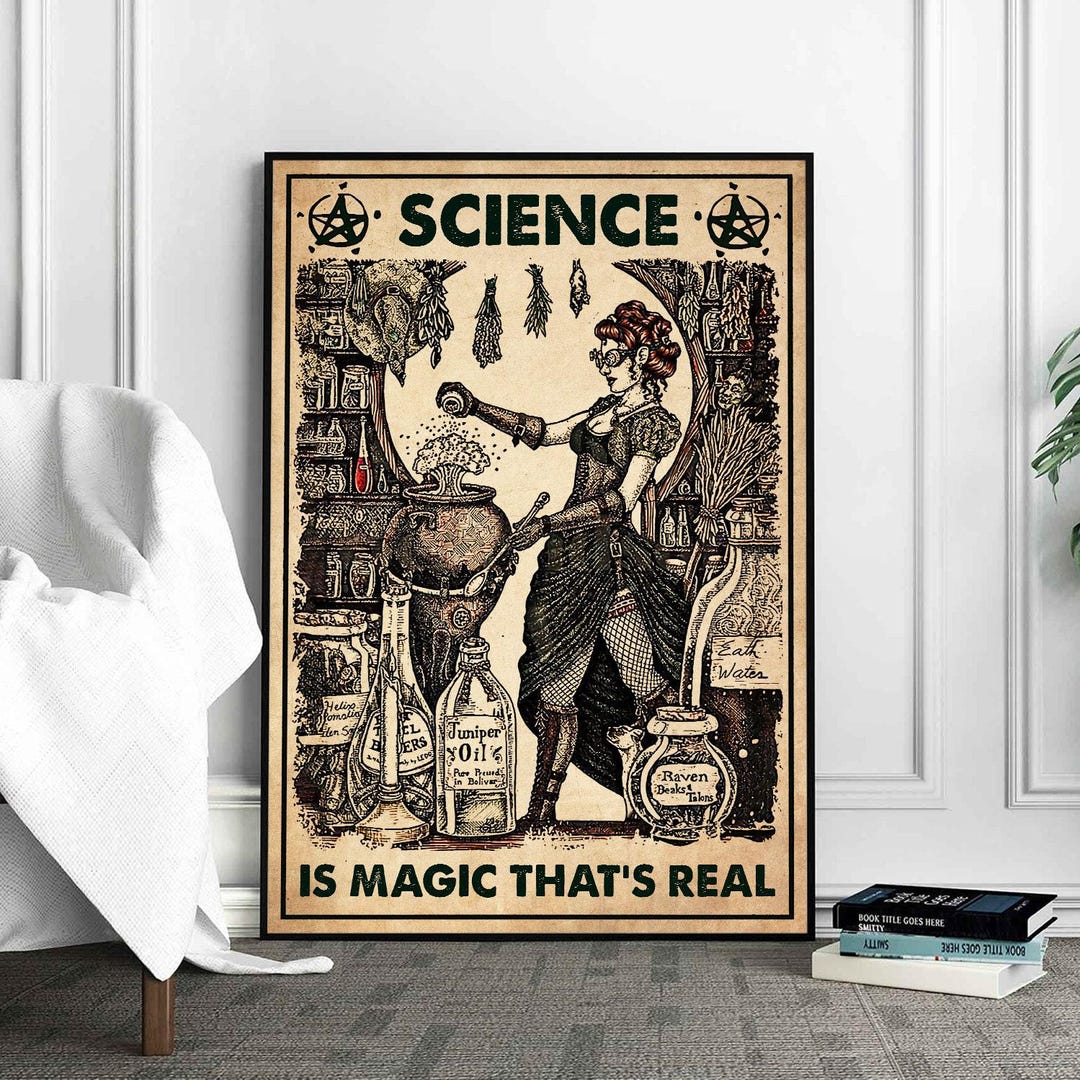
Science:The Only Magic That’s Real
Introduction
Rememberbelieving in magic as a kid? Pulling rabbits out of hats, making things disappear, flying on broomsticks – the possibilities seemed endless. As we grew older, that sense of wonder often faded, replaced by a more pragmatic understanding of how the world works. But what if I told you that magic is still real? It’s just wearing a different cloak: the cloak of science.
Science, at its core, is the art of understanding and manipulating the universe to do things that once seemed impossible. Think about it. We talk to people across continents in real-time, travel to other planets (or at least send robots!), and even rewrite the code of life itself. If that’s not magic, I don’t know what is.
But this “real magic” isn’t just about grand achievements. It’s about the everyday marvels we often take for granted. Let’s dive into why understanding and embracing science is not just beneficial, but absolutely crucial for navigating the challenges and opportunities of our rapidly evolving world.
The Short-Term Shadows:Problems We Face Today
We’re living in an era defined by rapid change. While technology offers incredible advancements, it also brings forth a complex web of challenges that demand urgent attention. Consider these pressing short-term issues:
- Information Overload and Misinformation:We’re drowning in data, but access to reliable information is increasingly difficult. The rise of fake news and conspiracy theories, fueled by algorithms designed to maximize engagement (often at the expense of truth), has eroded public trust in institutions and created deep societal divisions. This directly impacts everything from public health decisions to political discourse.
- Technological Unemployment:Automation and artificial intelligence are transforming the job market at an unprecedented pace. While some argue that new jobs will emerge, the reality is that many existing roles are becoming obsolete, leaving workers unprepared and vulnerable. This trend exacerbates existing inequalities and can lead to social unrest.
- Digital Divide and Accessibility:While technology connects many, it also leaves others behind. Unequal access to internet, devices, and digital literacy skills creates a significant divide, particularly affecting marginalized communities. This limits their access to education, healthcare, and economic opportunities, further perpetuating cycles of poverty and disadvantage.
These issues are not abstract concepts; they are affecting real people’s lives right now. The spread of misinformation is undermining vaccine confidence, leading to preventable illnesses and deaths. Job displacement is causing anxiety and financial hardship for families. And the digital divide is widening the gap between the haves and have-nots, creating a more unequal society.
The Long-Term Loom:Challenges That Will Define Our Future
Looking further down the line, the stakes become even higher. The decisions we make (or fail to make) today will have profound consequences for generations to come:
- Climate Change and Environmental Degradation:This is arguably the greatest challenge of our time. The burning of fossil fuels, deforestation, and unsustainable agricultural practices are causing irreversible damage to our planet. Rising sea levels, extreme weather events, and biodiversity loss threaten the very foundations of human civilization.
- Resource Depletion and Scarcity:Our current consumption patterns are unsustainable. We are rapidly depleting natural resources like water, minerals, and fertile land. This scarcity will inevitably lead to conflict, economic instability, and widespread human suffering.
- Ethical Dilemmas of Advanced Technologies:As we develop increasingly powerful technologies like artificial intelligence, gene editing, and nanotechnology, we are faced with unprecedented ethical dilemmas. How do we ensure that these technologies are used for good and not for harm? How do we prevent them from exacerbating existing inequalities? How do we protect human autonomy and dignity in a world increasingly shaped by machines?
These long-term challenges are interconnected and mutually reinforcing. Climate change will exacerbate resource scarcity, which in turn will increase social and political instability. The ethical dilemmas of advanced technologies will become more complex as these technologies become more pervasive. Unless we take decisive action, we risk creating a future that is bleak and unsustainable.
Turning the Page:Practical Solutions Grounded in Science
The good news is that science, the same “magic” that has brought us to this point, also offers the tools and knowledge we need to overcome these challenges. Here are some practical solutions that individuals, communities, and governments can implement:
- Fostering Critical Thinking and Media Literacy:
- Education Reform:Integrate critical thinking skills into school curricula at all levels. Teach students how to evaluate sources, identify biases, and distinguish between evidence-based information and misinformation.
- Community Workshops:Organize workshops for adults on media literacy and digital safety. Equip them with the tools they need to navigate the online world responsibly and protect themselves from scams and disinformation.
- Fact-Checking Initiatives:Support independent fact-checking organizations and promote their work. Encourage individuals to verify information before sharing it on social media.
Example:Finland’s education system emphasizes critical thinking from a young age. Students are taught to analyze sources, identify biases, and engage in reasoned debate. As a result, Finland consistently ranks high in media literacy and has a low rate of susceptibility to misinformation.
- Investing in STEM Education and Workforce Development:
- Scholarships and Grants:Provide scholarships and grants for students pursuing degrees in STEM fields, particularly those from underrepresented backgrounds.
- Apprenticeships and Vocational Training:Expand apprenticeship programs and vocational training opportunities in emerging fields like renewable energy, data science, and cybersecurity.
- Reskilling and Upskilling Programs:Offer affordable and accessible reskilling and upskilling programs for workers whose jobs are threatened by automation.
Example:Germany’s “Industry 4.0” initiative is a national strategy to promote digital transformation and automation in manufacturing. The initiative includes significant investments in workforce development, with a focus on retraining workers for the jobs of the future.
- Promoting Sustainable Practices and Green Technologies:
- Incentives for Renewable Energy:Offer tax credits, subsidies, and other incentives for individuals and businesses to invest in renewable energy sources like solar, wind, and geothermal.
- Regulations and Standards:Implement stricter regulations and standards for energy efficiency, pollution control, and waste management.
- Research and Development:Invest in research and development of new green technologies, such as carbon capture, sustainable agriculture, and alternative transportation.
Example:Costa Rica has made significant strides in transitioning to a green economy. The country generates nearly all of its electricity from renewable sources and has implemented policies to protect its forests and promote sustainable tourism.
- Championing Ethical AI Development and Governance:
- Establish Ethical Guidelines:Develop clear ethical guidelines for the development and deployment of AI systems, focusing on fairness, transparency, and accountability.
- Promote Algorithmic Auditing:Implement mandatory algorithmic audits to identify and mitigate biases in AI systems.
- Invest in AI Ethics Research:Fund research into the ethical implications of AI and develop strategies to address potential risks.
Example:The European Union’s proposed AI Act aims to regulate the use of AI in high-risk applications, such as facial recognition and credit scoring. The act includes provisions for transparency, accountability, and human oversight.
The Alchemy of Hope:Embracing Science for a Brighter Future
These are just a few examples of how science can be used to address the challenges we face. The key is to embrace a spirit of curiosity, innovation, and collaboration. We need to encourage critical thinking, invest in education, promote sustainable practices, and champion ethical technologies.
The future is not predetermined. It is shaped by the choices we make today. By embracing the “magic” of science, we can create a world that is more just, sustainable, and prosperous for all.
Don’t let that childhood wonder fade away. Instead, channel it into a commitment to lifelong learning, to critical thinking, and to using your knowledge and skills to make a positive impact on the world. The power to create a better future lies within us all. Let’s harness that power and build a world worthy of the magic we once believed in.