
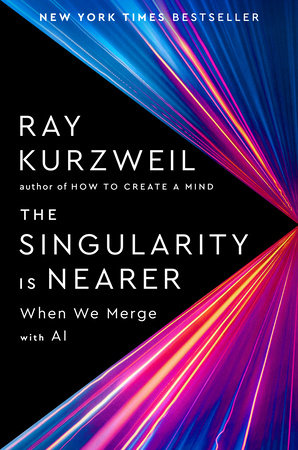
The Singularity is Closer Than You Think
Introduction
Ever feel like technology is evolving at warp speed? One minute, you’re struggling to understand TikTok, the next, AI is writing poems and composing music. The idea of the technological singularity – that hypothetical point in time when technological growth becomes uncontrollable and irreversible, resulting in unfathomable changes to human civilization – might sound like science fiction. But what if I told you it’s not just a distant possibility, but something we need to start seriously considering *now*?
Forget killer robots for a second. The real impact of the approaching singularity isn’t about machines rising up in rebellion. It’s about the accelerating, intertwined effects of advancements in fields like artificial intelligence, biotechnology, nanotechnology, and quantum computing, converging to create a world that’s profoundly different from the one we know today.
This isn’t just about faster phones or smarter refrigerators; it’s about a fundamental shift in how we live, work, and even define ourselves as human beings.
Short-Term Ripples: The Now We’re Already Feeling
The leading edge of the singularity is already washing over us. Think about it:
- AI in the Workplace: AI is automating tasks across industries, from customer service (chatbots) to manufacturing (robotics) to even content creation (AI writing tools). While some see this as a threat to jobs, it also presents an opportunity to redefine work, allowing humans to focus on more creative, strategic, and empathetic roles.
- Personalized Medicine: Advances in genomics and AI are paving the way for personalized medicine, where treatments are tailored to an individual’s unique genetic makeup. Imagine cancer treatments designed specifically for *your* tumor, or preventative measures taken based on your individual risk factors.
- The Information Overload Crisis: We’re drowning in data. AI-powered tools are helping us filter, analyze, and make sense of this information, but the sheer volume of data also presents challenges in terms of privacy, security, and the potential for misinformation.
- Ethical Dilemmas: Self-driving cars, AI-powered healthcare, and advanced surveillance technologies raise complex ethical questions about autonomy, bias, and responsibility. Who is accountable when a self-driving car causes an accident? How do we prevent AI algorithms from perpetuating existing biases?
These are just a few examples. The point is, the future isn’t some far-off fantasy; it’s unfolding around us *right now*.
Long-Term Tsunami: The Horizon We Need to Prepare For
Looking further ahead, the potential impact of the singularity becomes even more profound:
- Radical Life Extension: Imagine living well past 100, or even 150. Advances in biotechnology, nanotechnology, and regenerative medicine could dramatically extend the human lifespan. This raises questions about resource allocation, social security, and the very definition of aging.
- Human Augmentation: From brain-computer interfaces that enhance cognitive abilities to exoskeletons that restore mobility, technology could fundamentally alter the human body and mind. What does it mean to be human when we can enhance our physical and mental capabilities through technology?
- The Rise of Superintelligence: If AI continues to advance at its current pace, we may eventually create artificial general intelligence (AGI) – AI that can perform any intellectual task that a human being can. And if AGI evolves into superintelligence, exceeding human intelligence in all aspects, the implications are difficult to predict.
- Societal Restructuring: The singularity could lead to massive shifts in wealth distribution, power structures, and social norms. How do we ensure that the benefits of technological progress are shared equitably, and that we create a society that is just and inclusive?
These long-term possibilities are both exciting and daunting. The key is to approach them with foresight, caution, and a commitment to ethical principles.
Navigating the Rapids: Practical Solutions and Approaches
So, how do we navigate this rapidly changing landscape? Here are some practical solutions and approaches:
- Embrace Lifelong Learning: The skills and knowledge that are valuable today may be obsolete tomorrow. Commit to continuous learning and development, focusing on skills that are difficult to automate, such as critical thinking, creativity, emotional intelligence, and complex problem-solving.
- Example: Take online courses, attend workshops, or join professional development organizations to stay up-to-date on the latest trends in your field.
- Foster Ethical AI Development: Advocate for responsible AI development that prioritizes fairness, transparency, and accountability. Support initiatives that promote ethical guidelines and regulations for AI.
- Example: Support organizations that are working to develop ethical AI frameworks, or participate in public consultations on AI policy.
- Prepare for the Future of Work: Explore new career paths that leverage your unique human skills and talents. Consider roles that involve creativity, innovation, leadership, or interpersonal communication.
- Example: Look for opportunities to work on projects that require collaboration, communication, and critical thinking. Develop your skills in areas such as design thinking, storytelling, and emotional intelligence.
- Promote Digital Literacy: Advocate for digital literacy programs that empower individuals of all ages to use technology safely, effectively, and responsibly.
- Example: Volunteer to teach digital literacy skills to seniors, or support organizations that provide digital literacy training to underserved communities.
- Engage in Public Dialogue: Participate in conversations about the social, ethical, and economic implications of the singularity. Share your perspectives and ideas with policymakers, researchers, and the public.
- Example: Attend public forums on technology policy, write letters to your elected officials, or participate in online discussions about the future of technology.
- Diversify Your Skill Set: Don’t put all your eggs in one technological basket. Develop a broad range of skills that can be applied to different contexts.
- Example: If you’re a software engineer, consider learning about design or business. If you’re a marketing professional, explore data analytics or content creation.
- Build Strong Social Connections: In a world increasingly dominated by technology, human connection is more important than ever. Nurture your relationships with family, friends, and colleagues.
- Example: Make time for regular social activities, join community groups, or volunteer your time to a cause you care about.
Alternative Approaches:
- The “Slow Tech” Movement: Advocate for a more deliberate and human-centered approach to technological development, prioritizing human well-being and social impact over pure technological advancement.
- Universal Basic Income: Support policies that provide a basic income to all citizens, regardless of employment status, to mitigate the potential economic disruption caused by automation.
- Technological Existentialism: Embracing the uncertainty of the future and focusing on personal growth, resilience, and the pursuit of meaning in a rapidly changing world.
A Future Worth Building
The singularity presents both challenges and opportunities. It’s not something to fear, but something to understand and prepare for. By embracing lifelong learning, fostering ethical AI development, and engaging in public dialogue, we can shape the future of technology in a way that benefits all of humanity.
The future is not predetermined. It’s a story that we are writing together, every day. Let’s write a story that is filled with hope, opportunity, and a commitment to creating a better world for all. The time to act is now. The singularity is closer than you think, but with foresight, collaboration, and a commitment to ethical principles, we can navigate the rapids and build a future that is truly worth living.